Mental health am Arbeitsplatz has become one of the most searched workplace topics, yet most advice remains frustratingly disconnected from reality. The gap between what HR departments recommend and what actually helps employees during a difficult workday is wide enough to drive a truck through.
This isn't another article about meditation apps or mindfulness lunch breaks. This is about what works when you're in the middle of a stressful project, dealing with difficult colleagues, or fighting the Sunday evening dread.
Why Mental Health Am Arbeitsplatz Programs Usually Miss the Mark
The typical corporate mental health initiative follows a predictable pattern: announce a wellness program, add a meditation app subscription, maybe bring in a speaker, then wonder why engagement stays below 15%.
The problem isn't employee apathy. It's that these programs treat mental health am Arbeitsplatz as something separate from the actual work experience. They offer solutions for stress without addressing what creates it in the first place.
What we observe in conversations with working professionals: the biggest barriers to workplace mental health aren't lack of resources. They're lack of psychological safety to use them, unrealistic workload expectations, and the feeling that admitting struggle equals career risk.
The Real Framework: Three Layers of Workplace Mental Health
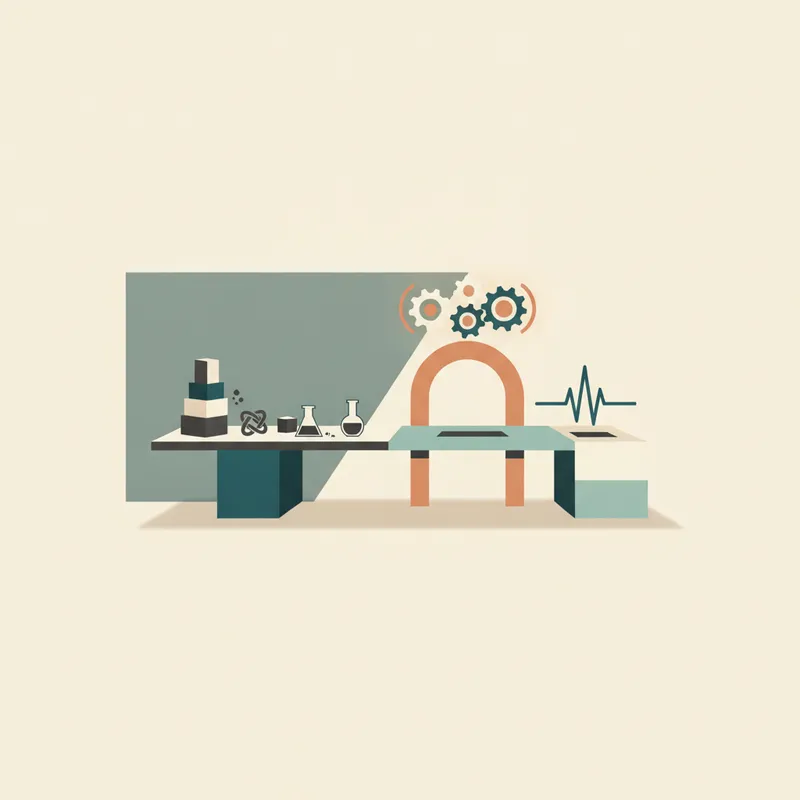
Mental health am Arbeitsplatz operates on three distinct levels, and most people only address one of them. Understanding all three gives you actual leverage.
Layer 1: Immediate Regulation (What You Control Right Now)
These are the micro-interventions you can deploy during your workday without permission, budget, or anyone noticing. They're not glamorous, but they work.
The 90-second reset: When you feel overwhelm building, stop and focus exclusively on physical sensation for 90 seconds. Not breathing exercises, not positive thinking, just noticing what your body feels like in the chair. Stress responses have a neurological arc, and interrupting it early prevents the cascade.
Boundary setting through calendar architecture: Block 15-minute buffers between meetings. Not for prep, for metabolizing whatever just happened. Back-to-back video calls prevent emotional processing, and unprocessed emotions accumulate like compound interest.
The cognitive load audit: Write down every commitment, project, and mental tab you're holding open. Externalizing cognitive load immediately reduces the feeling of overwhelm, even when the workload stays the same. Your brain stops using energy to remember what it can see written down.
Layer 2: Systemic Navigation (Working With the System You Have)
This layer addresses the fact that individual coping strategies can't compensate for toxic systems indefinitely. But you can navigate those systems more strategically.
Identify your real vs. perceived workload: Many professionals carry phantom obligations, tasks they assume they should do but that no one actually expects. Have explicit conversations about priorities. The question "If I can only complete three things this week, which should they be?" forces clarity.
Build micro-alliances: One trusted colleague who understands your actual situation is worth more than ten superficial professional relationships. Mental health am Arbeitsplatz improves dramatically when you have even one person who gets it.
Document patterns, not just incidents: When work stress becomes chronic, start tracking specific triggers and responses. This data becomes useful if you ever need to have difficult conversations with management or make the case for structural changes.
Layer 3: Strategic Positioning (Long-term Career Mental Health)
This layer asks harder questions: Is this role sustainable? Does this company's culture align with my mental health needs? What would have to change for me to thrive here?
Sometimes the answer is internal adjustment. Sometimes it's renegotiating your role. Sometimes it's accepting that no amount of personal resilience will make an unhealthy environment healthy.
The crucial distinction: resilience skills help you navigate difficulty. They shouldn't become tools for tolerating the intolerable indefinitely.
What Most Articles Get Wrong About Mental Health Am Arbeitsplatz
The dominant narrative treats workplace mental health as an individual responsibility: meditate more, set better boundaries, practice self-care. This puts the entire burden on employees while letting organizations off the hook.
Here's the contrarian truth: individual mental health strategies work best in environments that don't actively undermine them. No amount of mindfulness compensates for consistent understaffing, toxic management, or a culture that punishes normal human limitations.
At SYLO, we see this pattern repeatedly: people seeking support for "managing stress" when the real issue is an unsustainable situation. Helping someone regulate their nervous system is useful. But it's not a replacement for addressing why that nervous system is constantly activated at work.
The most effective approach combines personal regulation tools with clear-eyed assessment of environmental factors. Sometimes the healthiest mental health intervention is recognizing when a job is fundamentally incompatible with wellbeing.
The Role of Personalized Support
Generic workplace wellness programs fail because mental health am Arbeitsplatz isn't generic. What helps during deadline stress is different from what helps with interpersonal conflict or role ambiguity.
Personalized approaches, whether through coaching, therapy, or tools that adapt to individual needs, work because they meet people where they actually are. Not where a corporate program assumes they should be.
The future of workplace mental health isn't more programs. It's better support that recognizes employees as individuals with specific challenges, not as a demographic to be managed with one-size-fits-all solutions.
Implementation: Where to Start Tomorrow
If you're reading this on a Sunday evening with work anxiety building, or during a lunch break that feels too short, here's what to do first:
This week: Pick one immediate regulation technique from Layer 1 and use it consistently. Test the 90-second reset or implement calendar buffers. Notice what changes.
This month: Have one explicit conversation about priorities and workload expectations. Ask the clarifying question about your top three priorities.
This quarter: Assess honestly whether your current role is sustainable with better personal strategies, or whether the environment itself needs to change. This isn't pessimism, it's strategic clarity.
FAQ: Mental Health Am Arbeitsplatz
How do I know if work stress is normal or if I need professional help?
Normal work stress resolves with rest and doesn't significantly impair functioning outside work. If you're experiencing persistent sleep problems, physical symptoms, relationship strain, or inability to disconnect even during time off, that suggests it's time for professional support. When stress starts affecting multiple life domains, it's exceeded the "normal" threshold.
What if my workplace doesn't support mental health initiatives?
Focus on Layer 1 strategies that don't require organizational buy-in. You can implement immediate regulation techniques, set personal boundaries, and build informal support networks without official programs. Simultaneously, document your experience and assess whether this environment aligns with your long-term wellbeing. Lack of organizational support is important data.
How can I talk to my manager about mental health without risking my career?
Frame conversations around performance and workload rather than mental health diagnoses. Instead of "I'm struggling with anxiety," try "I want to discuss prioritization to ensure I'm delivering quality work on our most important projects." Focus on what you need to succeed rather than why you're struggling. In psychologically safe environments, more direct conversation is possible, but start with the professional framing and adjust based on response.
Are workplace wellness programs worth using?
If they're available, yes, use what helps. But don't expect them to solve systemic problems. Meditation apps, EAP counseling sessions, and wellness workshops can provide useful tools. Just recognize they're supplementary support, not replacements for sustainable workloads, competent management, and healthy organizational culture. Take what's useful and maintain realistic expectations about what individual interventions can achieve.
Sources
This article is based on experience-based observations and general mental health principles. No external research sources were cited.